

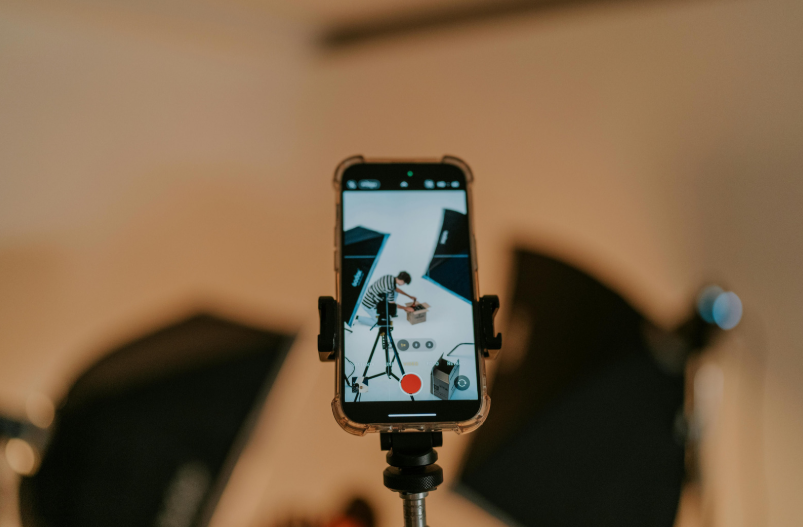
Frame rate is how many images your camera records every second. If you’re filming at 30 fps, that means 30 images per second. Play them back fast enough and it becomes video.
That’s the technical definition. Now let’s make it practical.
Different frame rates change how motion looks. Not in a dramatic, obvious way. In a subtle way that affects the overall vibe of your video.
Twenty-four frames per second is what films use. Movement has a slight blur to it. It feels more cinematic. Thirty frames per second is what most online videos use. It looks natural and straightforward. Sixty frames per second is very smooth. Fast movement looks sharper, and if you slow the footage down later, it stays smooth instead of choppy.
Here’s why this matters.
If you’re creating content like YouTube, courses, or brand videos, you are shaping perception. The way motion looks affects how polished your video feels. People may not know what frame rate you used, but they can tell when something looks intentional versus random.
This doesn’t mean you need to overthink every shoot. It means you should choose on purpose.
If you want a film vibe, use 24.
If you want clean and standard, use 30.
If you want slow motion flexibility, use 60.
That’s it.
Frame rate isn’t complicated. But ignoring it can contribute to beginner content looking like beginner content.


Leave a Reply